 |
 |
 |
 |
 |
 |
 |
 |
 |
|||
 |
 |
|
|||||||
 |
|||||||
 |
|||||||
 |
|||||||
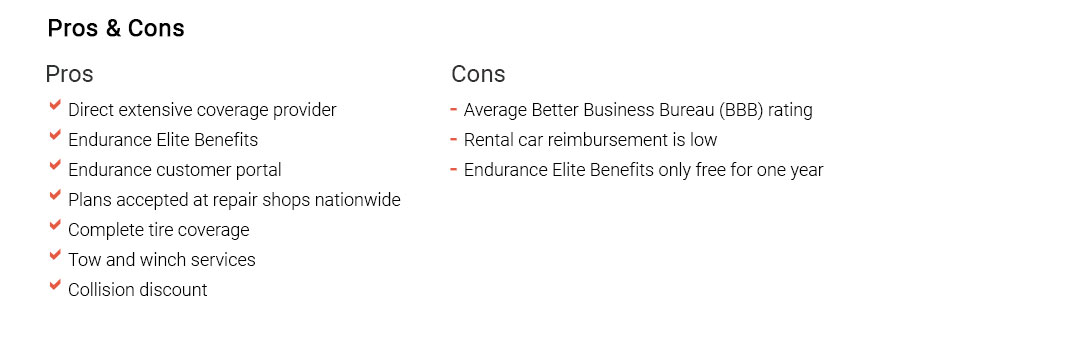 |
|||||||
|
|||||||
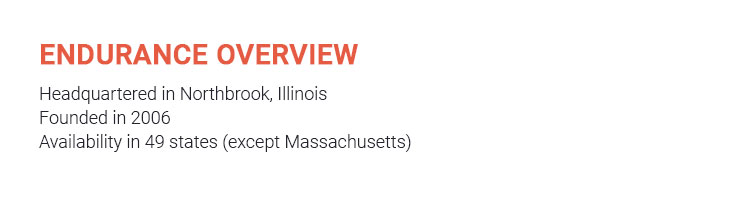




|
||||||
 |
||||||
 |
||||||
 |
||||||
|




 |
 |
 |
 |
 |
 |
 |
gap coverage on car explained clearlyYou drive off the lot with a low down payment and a long loan, proud and a little nervous. Months later, a crash totals the car. The insurer offers the vehicle's actual cash value, and your jaw drops - your payoff is higher. This is the moment gap coverage earns its quiet reputation: it helps pay that difference so you're not writing a check for a car you can't drive. What it isGap coverage pays the shortfall between what your primary auto insurer says the car was worth right before the loss and what you still owe your lender or lessor. Put another way, it bridges negative equity so a total loss doesn't become a long tail of debt.
Who finds it most usefulIf your balance drops slower than your vehicle's value, you're exposed. Leases often require it; certain loans make it practical.
Quick comparison so you can calibrate
Cost and accessibilityPricing varies widely. As an add-on through an auto insurer, it's often modest monthly. Bundled at a dealership or lender, it may be a one-time charge that can be several hundred dollars. Availability is broad: insurers, dealers, and credit unions offer versions, each with different cancellation and refund practices.
A small real-world momentYou're in a grocery store parking lot when the adjuster calls: "It's a total loss." You open the loan app, see the payoff, and the math doesn't meet. With gap active, that scary extra line on the payoff screen becomes a non-event - and you go back to choosing avocados instead of calculating debt. How to check what you already have
Misunderstandings to avoid
When you might not need it anymoreOnce your payoff drops below the vehicle's market value, the risk fades. That's a good moment to remove the add-on through your insurer or cancel an external policy. Same idea, different framing: if selling your car tomorrow would clear the loan with room to spare, the gap has effectively closed. Decide quickly but calmlyYou don't have to buy it at the signing desk. Compare sources, skim the limits, and choose the path that matches your budget and timeline. The goal isn't perfection - it's making sure a total loss doesn't outlive the car.
Main Topic:
Gap Insurance Coverage
Related Guides:
Gap Coverage Car
Gap Coverage
Gap Coverage Auto
Gap Auto Coverage
https://www.njm.com/ask/is-gap-insurance-worth-it
A gap insurance endorsement enhances the physical damage coverage for drivers who lease or finance their car. Here are three reasons why it may be a good ... https://www.sccu.com/articles/auto/what-is-auto-loan-gap-insurance
What Does GAP Insurance Not Pay? - property damage - bodily injuries - liabilities - repairs or replacement parts - reduced value of your car due to damages in an ... https://www.acg.aaa.com/aaa-connect/understanding-car-gap-insurance.html
Gap insurance, also known as Guaranteed Asset Protection, is a type of coverage designed to protect you if your car is declared a total loss due to an accident ...
|
